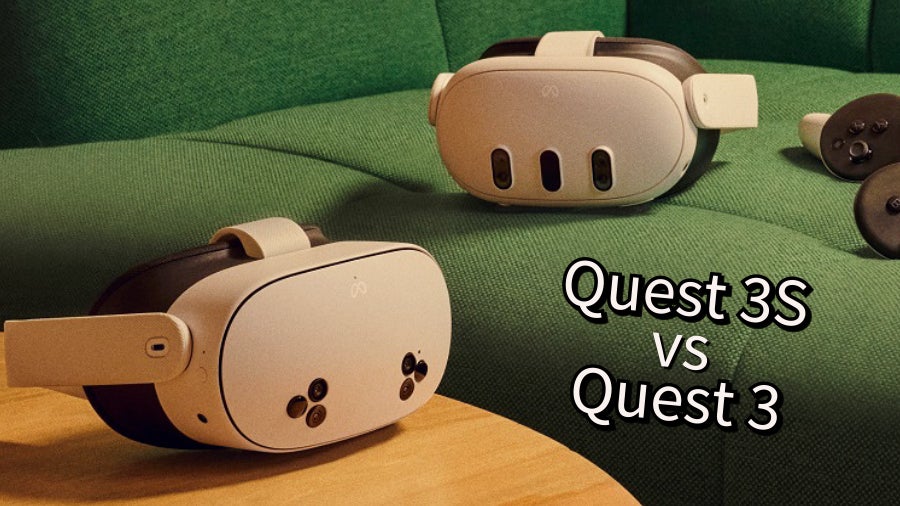
Meta Quest 3 vs 3s: The Ultimate VR Headset Showdown
Introduction
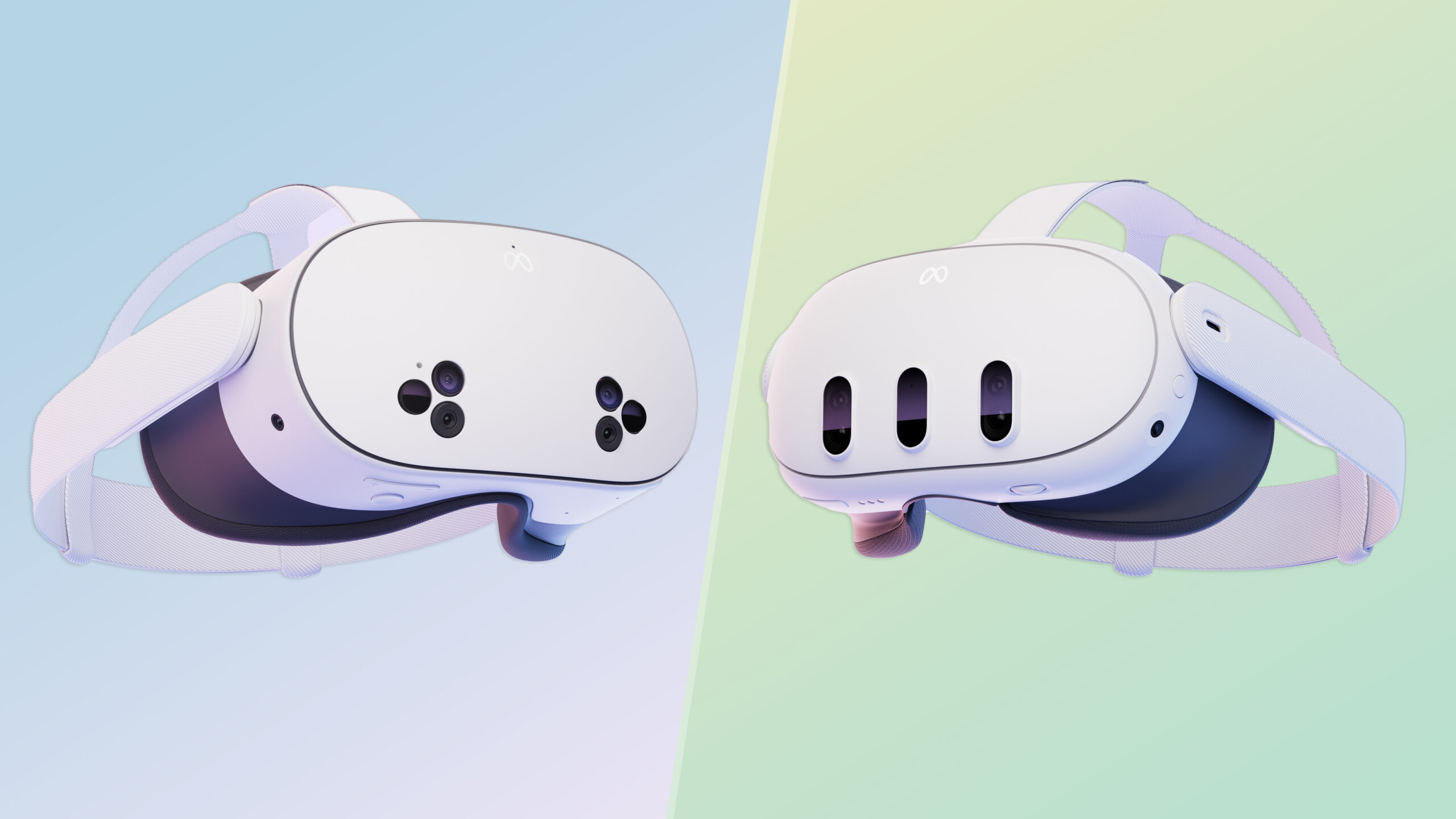
Virtual reality (VR) has taken a giant leap forward with the introduction of Meta Quest 3 and its upgraded version, Meta Quest 3s. These two headsets promise cutting-edge technology, but how do they compare? In this in-depth review, we will analyze their features, abilities, design, performance, and more to determine which headset is the better choice for VR enthusiasts. If you are wondering whether to upgrade or stick with the standard model, this guide will help you decide.
Overview of Meta Quest 3
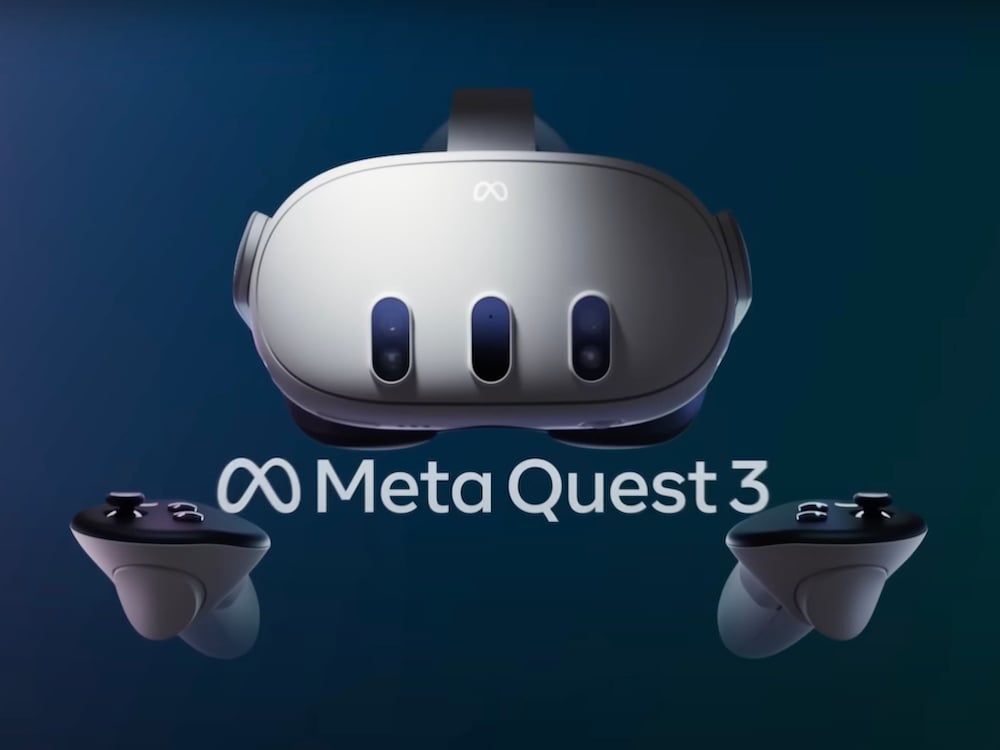
Meta Quest 3 is the latest VR headset from Meta, following the success of the Quest 2. It brings significant improvements in resolution, processing power, and comfort while maintaining the standalone VR experience. This means you don’t need a PC to use it, making it an excellent choice for gamers and tech enthusiasts alike.
Key Features of Meta Quest 3
- High-Resolution Display – Featuring a 4K+ Infinite Display, it offers crystal-clear visuals with 40% higher resolution than Quest 2.
- Snapdragon XR2 Gen 2 Processor – Ensures smooth performance and better graphics.
- 120Hz Refresh Rate – Provides an ultra-smooth and immersive experience.
- Passthrough Mode – Advanced color passthrough allows you to see your surroundings clearly.
- Comfortable Design – Redesigned for better weight distribution, reducing strain during long gaming sessions.
- Inside-Out Tracking – Improved six degrees of freedom (6DoF) for precise movement tracking.
- Backward Compatibility – Supports all Quest 2 games and apps.
- Upgraded Controllers – New Touch Plus controllers offer enhanced haptic feedback.
Overview of Meta Quest 3s
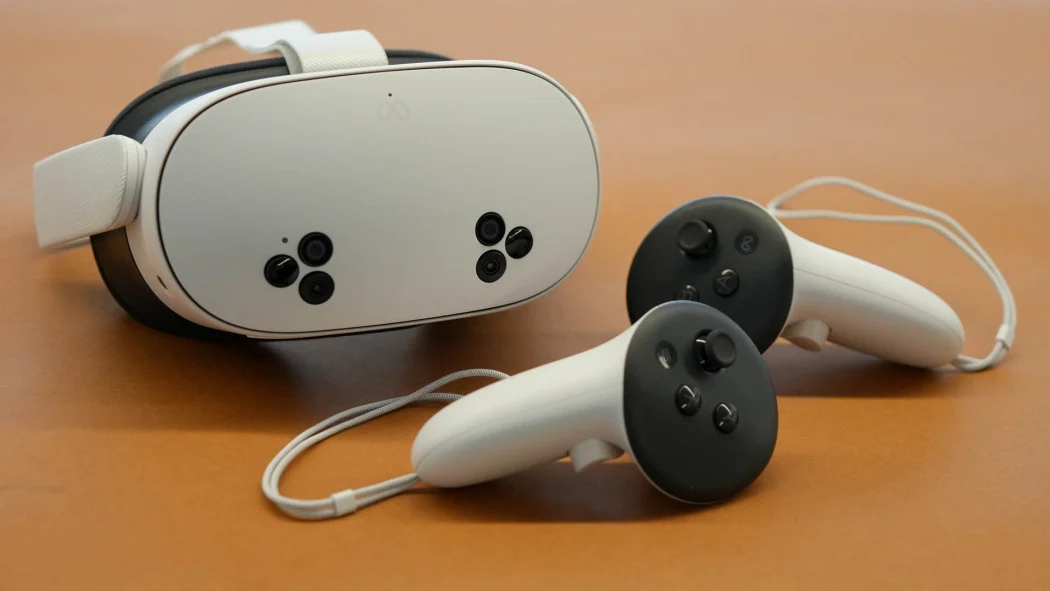
Meta Quest 3s is a rumored enhanced version of the Meta Quest 3, expected to offer improved hardware and minor refinements. While not officially released yet, leaks and speculation suggest some possible upgrades.
Expected Features of Meta Quest 3s
- More Powerful Processor – An upgraded Snapdragon XR3 processor for improved performance.
- Enhanced Display – Slightly better screen resolution and a possible OLED panel for richer colors.
- Extended Battery Life – More efficient power consumption for longer playtime.
- More Comfortable Fit – Further refinements in ergonomics and weight balance.
- Advanced Eye Tracking – Potential integration of eye-tracking technology for better foveated rendering.
- Improved Cooling System – Better heat dissipation to prevent overheating.
- Increased Storage Options – Possible introduction of a 1TB variant for more storage.
Meta Quest 3 vs 3s: Feature Comparison
Feature |
Meta Quest 3 |
Meta Quest 3s (Expected) |
|---|---|---|
| Display Technology | LCD 4K+ | OLED or Enhanced LCD 4K+ |
| Processor | Snapdragon XR2 Gen 2 | Snapdragon XR3 (Rumored) |
| Refresh Rate | 120Hz | 120Hz+ (Potentially higher) |
| Battery Life | 2-3 Hours | 3-4 Hours (Expected) |
| Passthrough | Full-Color Passthrough | Enhanced Passthrough |
| Comfort | Redesigned for comfort | Further ergonomic improvements |
| Controllers | Touch Plus | Touch Plus (or newer version) |
| Storage | Up to 512GB | Possibly 1TB Option |
| Eye Tracking | No | Possible Integration |
| PC VR Support | Yes | Yes |
Performance and Gaming Experience
Meta Quest 3 Performance
The Meta Quest 3 delivers excellent performance for standalone VR. With its Snapdragon XR2 Gen 2 chipset and 8GB RAM, games load faster, and graphics appear sharper. The 120Hz refresh rate ensures a smooth gaming experience, while inside-out tracking provides precise movement detection.
Meta Quest 3s Performance (Expected)
The Meta Quest 3s could bring even better graphics processing with an upgraded Snapdragon XR3 chipset. This means better rendering, reduced latency, and possibly even higher refresh rates, making VR experiences more fluid and immersive.
Display and Visual Quality
Meta Quest 3 features an LCD panel with 4K+ resolution, making visuals crisp and immersive. However, the rumored Meta Quest 3s might feature an OLED panel, offering richer colors, deeper blacks, and higher contrast.
Battery Life and Charging
Battery life is a key consideration for VR headsets. The Meta Quest 3 provides 2-3 hours of gameplay per charge, whereas the Meta Quest 3s is expected to offer longer battery life, possibly around 3-4 hours, thanks to better power efficiency.
Controllers and Tracking
The Touch Plus controllers in the Meta Quest 3 introduce haptic feedback and precise tracking. If Meta Quest 3s includes enhanced controllers, it could bring even more immersive interaction.
Price and Value
While the Meta Quest 3 is priced at around $499, the Meta Quest 3s is expected to cost more due to the rumored improvements. If you are looking for affordable, high-quality VR, the Meta Quest 3 is a great choice. If you want the latest and best features, the Meta Quest 3s might be worth the wait.
Conclusion: Which One Should You Choose?
If you want a powerful, affordable VR headset with excellent performance, the Meta Quest 3 is the way to go. It already offers high resolution, great tracking, and smooth gameplay. However, if you are willing to wait for potential OLED screens, better battery life, and more powerful hardware, the Meta Quest 3s might be worth considering.
For now, the Meta Quest 3 remains one of the best standalone VR headsets available, making it a fantastic choice for gaming, productivity, and entertainment.
Final Thoughts
The Meta Quest 3 vs 3s battle ultimately depends on your needs and budget. If you want to experience next-level VR today, get the Meta Quest 3. But if you can wait for potential improvements, keep an eye out for the Meta Quest 3s. Either way, Meta is shaping the future of virtual reality!